
The Thrill of Risk: What Drives High-Stakes Gamblers
High-stakes casino gambling attracts a specific type of individual who is drawn to the allure of risk and the potential for significant rewards. This excitement stems from the adrenaline rush associated with risking large sums of money, which can lead to intense emotional highs and lows. For many gamblers, this thrill is addictive, serving as a temporary escape from everyday life and the mundanity of routine. Many enthusiasts search for the best uk non gamstop casinos to maximize their experiences.
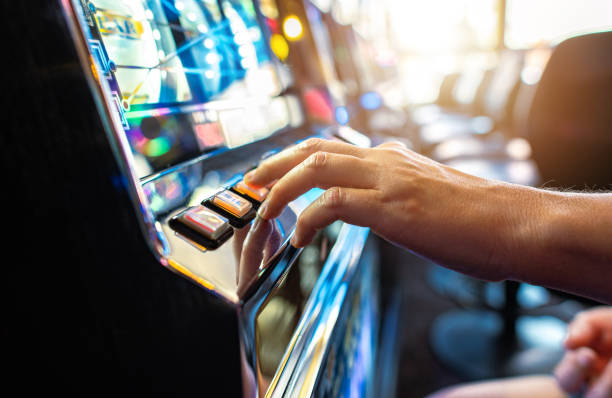
The psychological mechanism at play here is often linked to the brain’s reward system. When gamblers win, their brain releases dopamine, the neurotransmitter associated with pleasure and reward, reinforcing their behavior. However, the flipside—a losing streak—can create feelings of frustration and despair, motivating gamblers to continue playing in hopes of recapturing their losses, a phenomenon known as “chasing losses.”
Social Dynamics and Peer Influence in Gambling
The social environment of a casino also plays a crucial role in the psychology of high-stakes gambling. Many gamblers are influenced by the presence of others, whether it be fellow players or spectators. The camaraderie found in shared excitement can enhance the thrill of gambling, making it a social endeavor rather than just an individual pursuit. This group dynamic can lead to competitive behavior, where players strive to outdo one another, further escalating the stakes.
Moreover, many high-stakes gamblers feel a sense of belonging in the casino setting. Among high rollers, there’s an unspoken code of conduct and mutual respect that can foster lasting friendships. This element of social connection often reinforces their gambling habits, creating a community that thrives on high-stakes risks, reinforcing a cycle of behavior that is difficult to break.
Cognitive Biases and Misjudgments in Gambling
Cognitive biases significantly influence the decision-making process of gamblers. For instance, the “gambler’s fallacy” leads individuals to believe that past events can influence future outcomes in games of chance. A player might think that because a certain number hasn’t come up recently, it is due to appear soon—a misconception that can lead to ill-advised betting behavior.
Additionally, high-stakes gamblers often display an excessive sense of control over random outcomes, known as “illusion of control.” This belief can encourage them to take greater risks, convinced that their skills or strategies can sway the odds in their favor. Understanding these cognitive biases is essential for recognizing how they fuel high-stakes gambling behavior, often leading players to make irrational and costly decisions.
The Emotional Rollercoaster of Gambling
The emotional landscape of high-stakes gambling is complex and volatile. Players experience a range of feelings, from elation and hope to despair and regret. This emotional rollercoaster is intensified by the stakes involved; the larger the bet, the more significant the emotional swings. Winning can evoke euphoria, while losing can bring about deep disappointment, challenging the gambler’s self-esteem and financial stability.
Moreover, the temporary highs associated with wins can lead gamblers to believe that they are on a winning streak, encouraging them to continue gambling despite the risks. This pattern can create an unhealthy cycle where the gambler’s identity becomes intertwined with their gambling success, complicating their relationship with money and personal fulfillment.

Community and Support for Responsible Gambling
Understanding the psychological aspects of high-stakes casino gambling is vital for promoting responsible gaming practices. There are numerous organizations and support groups dedicated to helping individuals recognize when their gambling habits may lead to addiction. These communities provide resources, counseling, and assistance in creating healthier gambling habits.
At Plasticoceans.uk, we recognize the importance of addressing various societal challenges, including the psychological impacts of gambling. By initiating conversations around responsible gambling and supporting mental health initiatives, we can empower individuals to take control of their gambling experiences and foster a positive community focused on awareness and recovery.
Recent Comments